Avian Polyoma Virus (APV)
Animal Genetics Inc. offers DNA and Elisa testing for Avian Polyoma Virus (APV). APV is considered one of the most threatening infectious diseases for young psittacines and a major threat to nurseries.
Description:
Avian Polyoma Virus (APV), also referred to as Budgerigar Fledgling Disease, is a member of the Papovavirus family. Polyoma virus has a diameter of 40-50 nm, and contains a double-stranded DNA genome of approximately 5,000 basepairs.
This pathogen is considered one of the most significant threats to caged birds around the world. This highly-infectious disease affects most, if not all, parrot species. Polyoma seems to be most problematic among neonates (young birds) between the ages 14-56 days. Young birds often die, while adult birds can develop a certain level of immunity. Polyoma is believed to have an incubation period of approximately two weeks or less.
Transmission:
The disease can spread from one bird to another via feather dust, feces, aerosols, and parental feeding of chicks. APV can also be transmitted via direct contact or contact with infected environments (incubators, nest boxes, etc.).
Birds that are infected but do not have obvious signs of infection are often responsible for spreading the virus to an aviary or bird store.
Adult birds may be carriers of APV, who do not show symptoms but are able to pass the disease to others.
Symptoms:
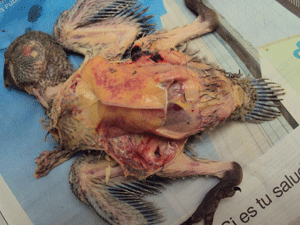
Symptoms include swollen abdomen, depression, loss of appetite, anorexia, weight loss, delayed crop emptying, regurgitation, diarrhoea, dehydration, feather abnormalities, hemorrhages under the skin, dyspnea, polyuria, ataxia, tremors, paralysis, and acute death.
Many young birds under 12 weeks of age die without any clinical symptoms. Adult birds may die of secondary infection from bacterial, viral, fungal, or parasitic pathogens.
Prevention:
Isolate all birds shedding the disease. Disinfect all contaminated surfaces with an oxidizer such as chlorine bleach (Polyoma virus is resistant to many disinfectants).
Note: Alcohol does not work as a disinfectant as it is not an oxidizer.
A vaccine is available, however this option may cost as much as $40-60 per bird. Additionally, booster shots are required each year and the effectiveness of the vaccine in younger birds is in question.
Quarantine all new birds and use nested primer PCR testing to determine whether or not birds are infected.
Sample Type:
Feather (like Bird DNA Sexing).
Submit a Sample for Testing:
- DNA tests (feather) can detect the virus.


.jpeg)


No comments:
Post a Comment